
You often notice how a smile changes a conversation, and dental veneers can give you a reliable way to improve that first impression. Veneers in Florence, SC can correct chips, gaps, stains, and uneven teeth quickly while delivering a natural, long-lasting result that boosts both appearance and daily comfort.
A local dental practice combines modern materials and gentle techniques so you get a custom smile that fits your features and lifestyle. Expect practical comparisons with other cosmetic options, clear guidance on candidacy and aftercare, and what a typical Florence visit looks like—so you can decide with confidence.
Understanding Dental Veneers
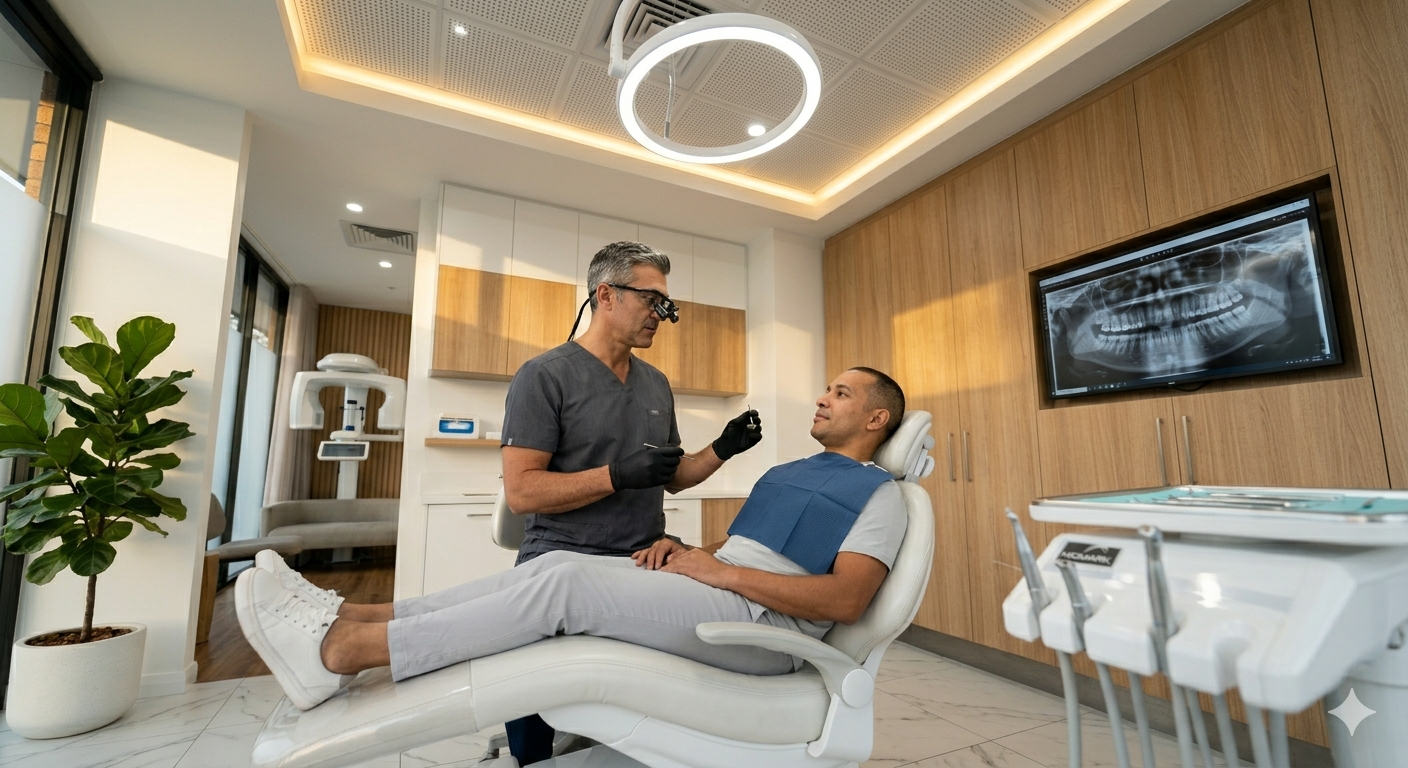
Dental veneers improve the appearance of teeth by changing color, shape, size, or minor alignment. They provide a long-lasting cosmetic solution that preserves most of the natural tooth structure and can address chips, gaps, stains, and worn edges.
What Are Dental Veneers?
Dental veneers are thin shells bonded to the front of teeth to alter appearance and protect tooth surfaces. They typically cover the visible portion of incisors and canines to correct aesthetic issues like deep stains that don’t respond to whitening, small chips, uneven tooth length, or gaps under 2–3 mm.
Dentists custom-fabricate veneers to match tooth shade, translucency, and shape so results look natural. The process usually involves minimal enamel removal—often 0.3–0.7 mm—so the tooth keeps most of its strength while creating room for the veneer’s thickness.
Candidates need healthy gums and decay-free teeth; active dental disease requires treatment first. Veneers are not ideal for people who clench or grind heavily unless they use a protective night guard.
How Veneers Work
The dentist first evaluates bite, tooth color, and shape, then plans the restoration using impressions or digital scans. A conservative amount of enamel is removed for fit, then temporary veneers may be placed while the lab makes the final shells.
Final veneers are bonded using strong dental adhesives that create a durable interface between porcelain or composite and the tooth. Proper bonding technique and isolation from saliva during placement are critical to long-term success.
After placement, routine brushing, flossing, and regular dental check-ups keep veneers functional for many years. Patients may need a custom night guard if they grind teeth, and staining agents like tobacco and coffee can affect composite veneers more than porcelain.
Types of Materials Used
Two primary materials dominate veneer options: porcelain (ceramic) and composite resin.
- Porcelain veneers: Highly translucent, stain-resistant, and durable (10–15+ years with good care). They require lab fabrication and often deliver the most natural appearance.
- Composite resin veneers: Can be placed directly by the dentist or made in a lab, usually with less tooth reduction and lower cost. They are repairable chairside but stain and wear faster than porcelain (typically 5–7 years).
Advanced ceramic options like lithium disilicate provide increased strength for patients who need both aesthetics and toughness. Material choice depends on desired aesthetics, budget, and the extent of tooth alteration; the dentist will recommend the best option after examining bite forces, enamel thickness, and aesthetic goals.
Smile Enhancement Benefits
Dental veneers provide targeted improvements to tooth color, shape, and alignment, plus quick correction of chips and gaps. They offer predictable, long-lasting results that can be tailored to facial features and smile goals.
Improving Tooth Appearance
Veneers address stubborn discoloration that teeth whitening cannot fix, such as tetracycline stains or discoloration after root canals. Porcelain veneers mimic enamel with light-reflective properties, so they restore brightness without looking flat or overly white.
They also allow precise control over tooth proportions. A dentist can adjust length, width, and contour to create better symmetry and balance across the visible teeth. This is useful when one or two teeth dominate a smile due to size discrepancies.
Color matching occurs in the dental office using shade guides and trial veneers. Technicians can layer porcelain to reproduce translucency at the edges and opacity near the body of the tooth. The result is a natural appearance that blends with remaining teeth.
Correcting Minor Imperfections
Veneers are an efficient solution for small gaps, minor crowding, and slight misalignment without orthodontics. For patients with one or two irregular teeth, veneers reshape surfaces and close spaces in a few appointments.
They also repair chips and worn edges caused by grinding or trauma. A veneer covers the damaged area and restores strength to the visible tooth surface, reducing sensitivity and improving function. The underlying tooth often requires minimal preparation compared with crowns.
Maintenance follows standard oral hygiene: brushing, flossing, and routine dental visits. With proper care, veneers resist staining and wear, making them a practical choice for cosmetic correction of minor structural issues.
Achieving a Natural-Looking Smile
Technicians design veneers to reflect each patient’s facial features—lip line, tooth display at rest and in smiling, and skin tone. This customization prevents an artificial “one-size-fits-all” look and helps veneers appear harmonious with the face.
Advanced materials and fabrication techniques reproduce enamel’s depth and subtle color gradients. Micro-texturing and varied translucency create lifelike surfaces that catch light like natural teeth. Patients get a smile that photographs and looks consistent in different lighting.
A consult includes digital mock-ups or temporary veneers so the patient can preview changes. This collaborative step lets the dentist refine shape and color before final placement, increasing satisfaction with the final, natural-looking result.
Confidence and Social Impact
Veneers can change how someone feels about their smile and how others respond to them. Improved tooth shape, color, and alignment often lead to more frequent smiling, clearer speech, and reduced self-consciousness in social or work settings.
Boosting Self-Esteem
Patients often report increased confidence after veneers because the treatment targets visible issues—stains that don’t respond to whitening, small chips, gaps, and mildly crooked teeth. When teeth look uniform and healthy, people tend to smile more, which reinforces positive self-image.
The procedure itself can be tailored: minimal-prep or no-prep veneers preserve enamel, while traditional porcelain veneers offer greater stain resistance and lifelike translucency. Knowing the dentist chose the right veneer type for their bite and lifestyle helps patients feel reassured about the longevity and appearance of their investment.
Dentists also address functional concerns during the planning stage, such as bite alignment and occlusion. That practical focus reduces worries about future discomfort and lets patients concentrate on daily interactions rather than dental imperfections.
Positive First Impressions
A well-executed veneer treatment affects first impressions in professional and personal settings by presenting a cleaner, more polished appearance. Recruiters, clients, and new acquaintances frequently interpret a bright, even smile as a sign of attention to personal care and reliability.
Veneers offer predictable color matching and shape control, which helps patients achieve the exact look they want for photos, presentations, or social events. This predictability is important for people who rely on public-facing roles or frequent networking.
Practical benefits support the aesthetic ones: stain-resistant surfaces and smoother enamel make oral hygiene easier, which sustains the improved look over time. That ongoing maintenance reduces the chance that a first impression will fade quickly.
Long-Term Advantages for Oral Health
Dental veneers can improve both function and appearance while reducing future dental work. They provide durable protection for weakened enamel and help maintain alignment and bite, which lowers the risk of further damage.
Durability and Longevity
Porcelain veneers resist staining and wear better than composite. With proper oral hygiene and routine dental visits every six months, porcelain veneers often last 10–15 years; high-quality ceramic restorations can exceed 15 years in many cases.
Veneer lifespan depends on factors like bruxism, bite forces, and material choice. Patients who grind teeth should consider a nightguard to prevent fractures and extend veneer life.
Repair options vary: minor chips in composite can be repaired chairside, while porcelain typically requires replacement of the entire veneer. Regular professional cleanings and avoiding hard foods reduce the chance of emergency repairs.
Protecting Damaged Teeth
Veneers cover chips, cracks, and areas of enamel erosion, restoring a smooth, protective surface. They bond to tooth structure, distributing biting forces more evenly and reducing stress on remaining enamel.
For teeth with decay removed or small fillings, veneers provide an esthetic seal that helps prevent recurrent decay at the margin when placed and maintained properly. They are not appropriate for teeth with extensive structural loss; crowns may be recommended instead.
Dentists evaluate each tooth with X-rays and bite analysis before recommending veneers, ensuring the chosen restoration protects function and reduces likelihood of future restorative procedures.
Comparing Veneers to Other Cosmetic Options
Veneers offer durable, stain-resistant coverage and precise color matching, while other options trade longevity for lower cost or more tooth removal. Patients should weigh durability, cost, permanence, and the condition of the underlying tooth when choosing a treatment.
Veneers vs. Bonding
Dental bonding uses composite resin applied directly to the tooth, usually in a single visit, and costs significantly less than porcelain veneers. Bonding suits small chips, minor gaps, or quick cosmetic fixes, but the resin stains and wears faster than porcelain.
Veneers require more tooth preparation and multiple visits, yet they resist stains, maintain translucency like natural enamel, and often last 10–15 years or longer with good care. Porcelain veneers offer superior color stability and strength compared with bonding.
Consider bonding if budget is tight or the issue is minor and reversible. Choose veneers when the patient wants a long-term, highly aesthetic result and is willing to invest in greater durability and a more natural appearance.
Veneers vs. Crowns
Crowns encase the entire tooth and restore function when significant decay, fracture, or root canal treatment compromises structure. They require more aggressive tooth reduction than veneers and prioritize strength and protection over purely cosmetic results.
Veneers preserve more natural tooth structure and focus on the front cosmetic surface—ideal for discoloration, shape correction, or minor alignment. When tooth integrity is intact, veneers maintain more enamel and typically feel less invasive.
Dentists recommend crowns when there is extensive damage, bite problems, or insufficient enamel for bonding a veneer. They recommend veneers when the tooth is structurally sound but needs a cosmetic upgrade, balancing aesthetics with conservation of tooth structure.
What to Expect in a Florence, SC Dental Practice
Patients can expect a clear, step-by-step process tailored to their smile goals, gentle techniques that prioritize comfort, and digital tools that speed diagnosis and reduce chair time. Staff typically explain costs, timelines, and aftercare up front.
Personalized Consultation Process
A patient starts with a focused exam and discussion about goals, such as closing gaps, masking stains, or reshaping teeth. The dentist reviews medical and dental history, checks bite and gum health, and photographs the smile to document baseline appearance.
Impressions or a digital scan are taken to design veneers with precise fit and proportion. The team shows before-and-after examples and discusses material choices—porcelain for strength and translucency, composite for lower cost and quicker turnaround.
A written treatment plan lists steps, estimated timeline, and itemized costs. Financing options and insurance coordination are reviewed. Patients leave with a clear timeline and answers to practical concerns like sensitivity, temporary veneers, and follow-up visits.
Comfort-Focused Care
Florence practices focus on minimizing discomfort at every visit. Local anesthesia is routinely offered for preparation, and topical numbing gels help with injections. For anxious patients, sedation options range from nitrous oxide to oral sedatives prescribed in advance.
Clinics use ergonomic chairs, blankets, and noise-masking music to reduce stress during longer appointments. Staff monitor patient comfort continuously and pause when requested. Post-operative instructions include simple pain-control strategies, soft-food recommendations, and contact details for same-day concerns.
Preventive steps reduce future discomfort: the dentist corrects any bite issues that could damage veneers and provides nightguard options for grinders. Clear communication about what to expect during recovery helps set realistic comfort expectations.
Modern Technology for Patient Ease
Digital impressions with intraoral scanners replace messy putty in many Florence offices, yielding faster, more accurate models and fewer retakes. Scans integrate with CAD/CAM systems to design veneers precisely and often allow same-week milling for provisional or final restorations.
CBCT and high-resolution photography aid in treatment planning when underlying tooth position or bone anatomy matters. Shade-matching devices help achieve more natural color blending between veneers and adjacent teeth.
Practice software streamlines scheduling, electronic consent, and secure image sharing. Many offices use patient portals for post-op instructions, billing, and two-way messaging, reducing phone calls and improving follow-up.
Who Makes a Great Candidate?
Candidates typically have healthy gums, sufficient enamel, and cosmetic concerns that veneers can correct without extensive restorative work. The best outcomes occur when a patient seeks to improve appearance while maintaining good oral hygiene and realistic expectations.
Ideal Dental Health Conditions
Good candidates have healthy periodontal tissue with no active gum disease. Dentists look for minimal gum inflammation, pocket depths under 4 mm, and stable bone levels on recent X‑rays.
Sufficient enamel is important because veneers bond to enamel for long-term retention. If enamel is thin, a dentist may recommend alternatives like bonded composite or minimal-prep veneers after assessing bite forces.
Stable occlusion matters. Patients with unmanaged bruxism, severe misalignment, or heavy bite forces may need an occlusal guard, orthodontics, or restorative adjustments before veneers.
Existing restorations near the smile zone can affect candidacy. Dentists evaluate crowns, large fillings, and root canal history to design a durable, esthetic plan.
Common Patient Concerns Addressed
Patients often want to fix chips, gaps, severe staining, or uneven tooth shape. Veneers provide consistent color and shape, covering intrinsic stains that whitening cannot remove.
Many worry about sensitivity and tooth reduction. Modern veneers frequently use conservative preparations; bonding to enamel reduces sensitivity risk and preserves tooth structure when compared with full crowns.
Longevity and maintenance top patients’ lists. With proper oral hygiene, routine checkups, and avoiding hard objects, veneers can last many years. Dentists will discuss realistic lifespan and repair options.
Cost and treatment time also influence decisions. Clinics typically offer financing, and the process usually takes two to three visits over several weeks. A consultation lets the dentist tailor options to budget and time constraints.
Caring for Your Veneers
Veneers require daily care and occasional professional checks to stay attractive and functional. Simple habits protect the bond, appearance, and lifespan of the porcelain or composite shells.
Recommended Oral Hygiene Routine
Brush twice daily with a soft-bristled toothbrush and non-abrasive fluoride toothpaste. Use gentle, circular strokes along the gum line to clean the veneer margins without scratching the surface.
Floss every night, sliding between teeth and beneath the veneer edges to remove plaque where a toothbrush can’t reach. If gaps or tight contacts exist, use a floss threader or interdental brushes sized to the space.
Rinse with an alcohol-free fluoride mouthwash once daily to reduce bacterial load and strengthen enamel on natural teeth adjacent to veneers. Avoid whitening rinses that contain peroxide — they won’t change veneer color but can irritate soft tissues.
Schedule professional cleanings and exams every six months, or more often if the dentist recommends it. The dental team checks for bond integrity, marginal staining, and early signs of wear or decay.
Tips for Lasting Results
Avoid biting hard objects like ice, pens, or fingernails; porcelain can chip and composite can fracture under concentrated force. If the patient grinds or clenches, a custom nightguard protects veneers and natural teeth from destructive forces.
Limit staining foods and drinks — coffee, red wine, and strongly colored sauces — and rinse or brush within 30 minutes after consuming them. Use a straw for beverages when possible to reduce contact with the front teeth.
Refrain from using over-the-counter whitening products on veneered teeth; they do not lighten veneers and can create a color mismatch with natural teeth. If shade changes are a concern, consult the dentist about professional options.
Report any sensitivity, looseness, or visible chips to the dental office promptly. Early repair or re-bonding is usually straightforward and prevents more extensive restorations later.
Taking the Next Step Toward Your Best Smile
Patients who consider veneers in Florence, SC, often start with a simple consultation to discuss goals, concerns, and medical history. The dentist reviews photos and X-rays, explains options, and recommends a tailored plan that balances appearance with long-term oral health.
A typical process involves tooth preparation, impressions, and placement of temporary veneers while the lab crafts the final restorations. Appointments are spaced to allow healing and adjustments, minimizing discomfort and giving patients time to evaluate fit and shade.
Cost, insurance, and financing are common questions; staff explain fees and available payment plans clearly and compassionately. Many practices provide written estimates and help patients compare veneers with alternative treatments like bonding or crowns.
Before committing, dentists assess oral health and address issues such as decay or gum disease to ensure a stable foundation. Good oral hygiene and routine checkups extend the life of veneers and protect natural teeth.
To make the decision easier, patients can request:
- A smile simulation or mock-up to preview results
- Before-and-after photos from the practice
- Patient testimonials or a brief consultation call
They should prepare a list of priorities and questions to bring to the appointment. Scheduling a consult lets the dental team create a personalized roadmap and answer concerns, guiding patients toward a confident, comfortable smile.
Frequently Asked Questions
This section answers practical concerns about appearance, durability, comfort, and combining veneers with other treatments. It gives specific expectations for results, maintenance, and the clinical steps patients typically experience.
How can veneers improve the look of stained, chipped, or uneven teeth?
Veneers are thin shells bonded to the front of teeth to mask stains, chips, and minor alignment issues. They use porcelain or composite materials that match shade and translucency for a natural look.
The dentist measures and designs veneers to correct shape and length, then prepares the enamel minimally for a secure fit. The result evens color and contour across visible teeth, improving smile symmetry.
Are veneers a good option if I’ve tried teeth whitening but still want a brighter smile?
Veneers work when whitening can’t reach intrinsic stains or when whitening produces uneven results. They provide a predictable, permanent shade change that whitening cannot guarantee.
If a patient wants a specific shade or uniform brightness on multiple teeth, a dentist will compare whitening outcomes and veneer restoration to recommend the best path.
What’s the difference between veneers and dental crowns, and how do I know which is better for me?
Veneers cover only the front surface of a tooth and preserve more natural enamel. Crowns encase the entire tooth and provide greater strength for heavily damaged or root-treated teeth.
A dentist evaluates decay, fracture risk, and remaining tooth structure to decide. Veneers suit cosmetic fixes; crowns suit structural repair and protection.
How long do veneers typically last, and what daily care helps them stay looking natural?
Porcelain veneers commonly last 10–15 years; composite veneers typically last 5–7 years. Lifespan depends on oral hygiene, bite forces, and habits like nail-biting or chewing ice.
Daily care includes brushing twice a day with non-abrasive fluoride toothpaste, flossing, and regular dental checkups. Wearing a nightguard for clenching or a sports guard during contact sports helps prevent damage.
Will getting veneers feel uncomfortable, and what can I expect during the appointment process?
Most patients experience minimal discomfort; dentists use local anesthesia during tooth preparation when needed. Sensitivity may occur for a few days but usually resolves quickly.
Appointments include consultation, tooth preparation, impressions, and temporary veneers if lab-made restorations are required. Final placement uses strong bonding agents and bite adjustments to ensure comfort.
Can veneers be combined with other treatments like implants, dentures, or gum care to complete a smile makeover?
Yes. Dentists often combine veneers with implant crowns, gum contouring, orthodontics, or dentures as part of a comprehensive plan. The team sequences treatments to stabilize health first, then address aesthetics.
A treatment plan considers gum health, tooth position, and prosthetic timing to ensure predictable aesthetic and functional outcomes. Patients should discuss goals during a consultation to map steps and timelines.