
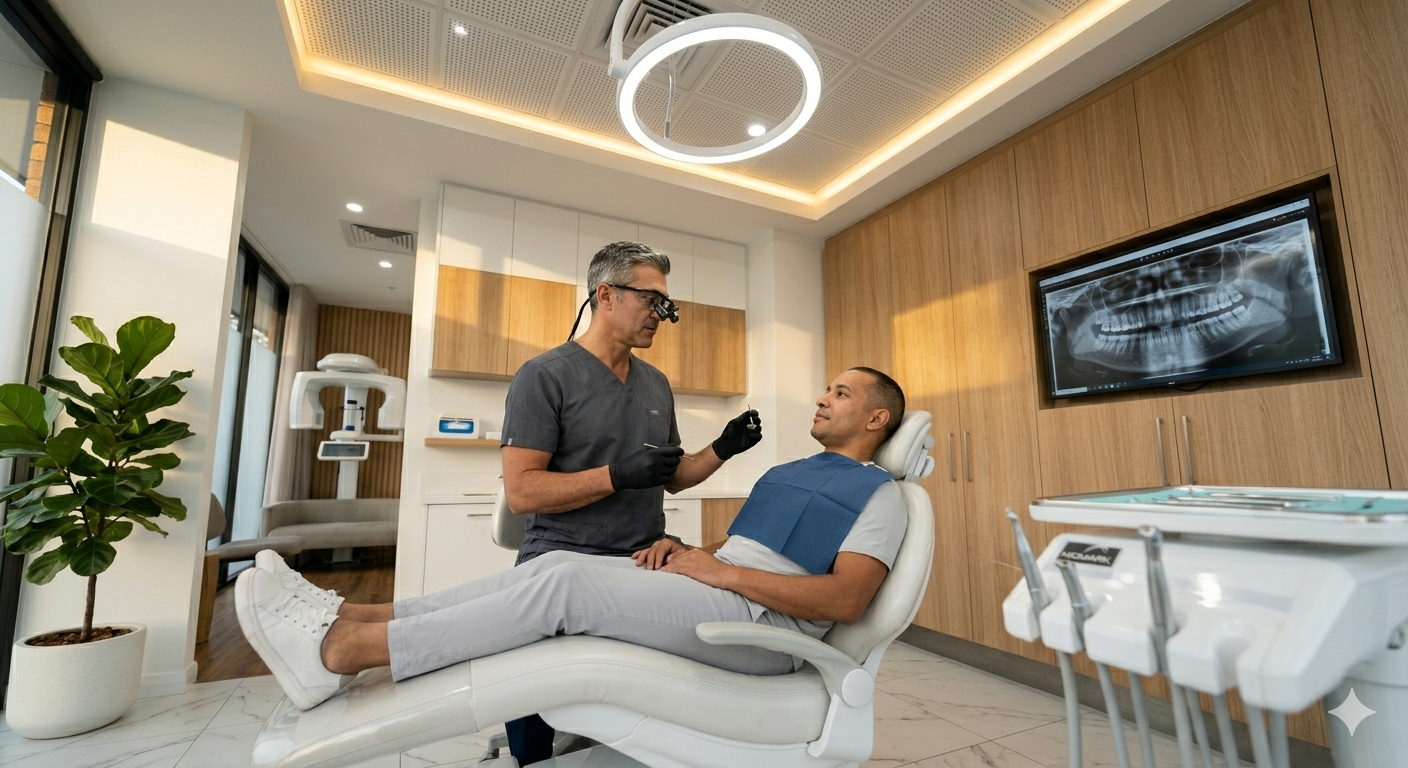
Dental implants in Florence, SC, offer a reliable solution for anyone dealing with missing teeth. They are designed to look, feel, and function just like natural teeth, giving patients a lasting and comfortable way to restore their smile. This option can improve both confidence and oral health by preventing bone loss and supporting surrounding teeth.
Local dental experts in Florence use modern techniques and materials to ensure the implant process is as smooth and pain-free as possible. Patients often appreciate that implants not only restore chewing ability but also allow for easier care compared to bridges or dentures.
If someone is considering dental implants, understanding the procedure and benefits can help ease any worries. Consulting with a trusted Florence dentist will provide personalized advice and the best treatment plan tailored to individual needs.
Understanding Dental Implants
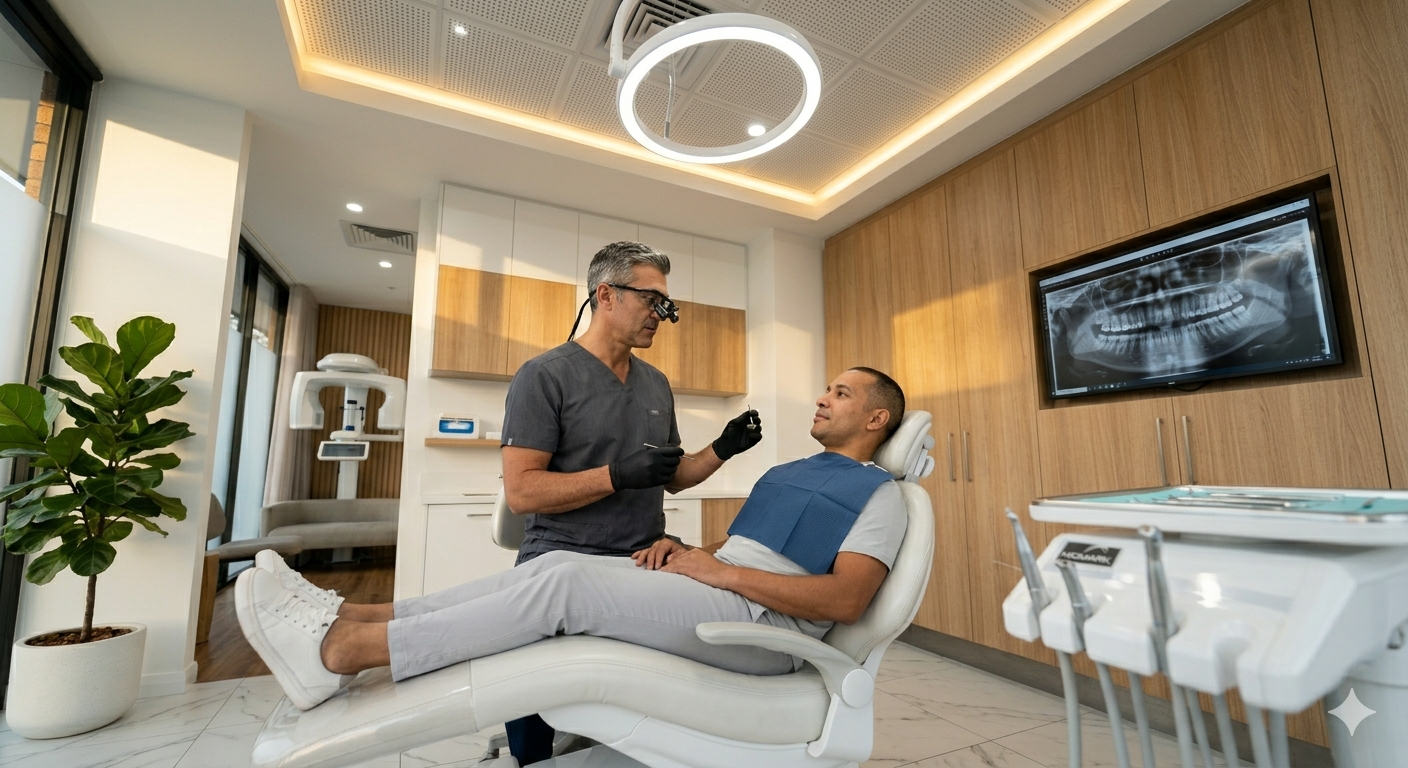
Dental implants offer a reliable way to replace missing teeth with a natural look and feel. They restore chewing ability and support facial structures.
What Are Dental Implants
Dental implants are small titanium posts surgically placed into the jawbone. These posts act as artificial tooth roots, providing a stable foundation for crowns, bridges, or dentures.
Titanium is used because it fuses well with bone in a process called osseointegration, which helps implants feel and function like real teeth. Once healed, the implant supports a custom-made restoration that matches the surrounding teeth in appearance and function.
Implants can replace one tooth or multiple teeth, improving both aesthetics and oral health by preventing bone loss and shifting of remaining teeth.
How Dental Implants Work
After the implant is placed in the jawbone, the healing period begins. This usually takes 3 to 6 months, allowing the bone to grow tightly around the implant.
During this time, the implant becomes firmly anchored in the bone, making it very stable. Once healed, an abutment is attached to the implant. The abutment serves as a connector between the implant and the visible crown.
Finally, a dentist places a crown or other restoration on the abutment. The result is a tooth replacement that does not slip or cause discomfort like traditional dentures sometimes do.
Types of Dental Implants
There are several types of dental implants tailored to different needs:
- Endosteal implants: The most common, placed directly into the jawbone.
- Subperiosteal implants: Placed on top of the jawbone, used when there is insufficient bone height.
- Zygomatic implants: Anchored in the cheekbone, reserved for patients with severe upper jaw bone loss.
Implants can also be single for one tooth or multiple connected by a bridge for several missing teeth. Your dentist in Florence, SC, will recommend the best type based on bone health and your specific oral condition.
Who Is a Good Candidate for Dental Implants
Choosing dental implants involves specific health and lifestyle factors that impact success. Candidates should have stable oral health, sufficient jawbone density, and habits that support healing and long-term care.
Health Requirements
Good overall health is essential for dental implants. Candidates should be free from uncontrolled chronic illnesses like diabetes or heart disease, as these conditions can interfere with healing. Healthy gums without active infections or severe periodontal disease are also necessary because gum health directly affects implant stability.
Smoking significantly reduces implant success rates due to its impact on blood flow and healing. Many dentists advise quitting before and after implant surgery to improve outcomes. Regular dental checkups and good oral hygiene further support recovery and implant longevity.
Jawbone Considerations
Adequate jawbone density and volume matter most for implant placement. Implants need a solid bone base to anchor securely. If the jawbone has deteriorated due to tooth loss, trauma, or gum disease, a bone graft may be required before implants.
Dentists use imaging like CT scans to assess bone quality and volume precisely. This helps determine if a patient can proceed immediately or requires preparatory work. Without sufficient bone, implants risk loosening or failing.
Age and Lifestyle Factors
While there is no strict upper age limit for implants, candidates should have fully developed jawbones, typically achieved after adolescence. Older adults can be excellent candidates if other health conditions are well managed.
Lifestyle habits like diet, alcohol consumption, and oral care routines influence implant success. Avoiding heavy alcohol use and maintaining consistent hygiene supports healing. Active people benefit from implants due to their durability compared to dentures.
Patients interested in dental implants in Florence SC are encouraged to talk with their dental professional to explore personalized options based on these factors.
Steps in the Dental Implant Process
Getting dental implants involves several precise stages designed to ensure comfort, stability, and the best long-term results. Each step carefully prepares the patient and the treatment area, making sure the implant integrates well and functions naturally.
Initial Consultation and Planning
During the first appointment, the dentist evaluates the patient’s dental health and discusses medical history. They use X-rays or 3D scans to examine the jawbone, checking its density and structure to determine if it can support an implant.
The dentist also talks through the patient’s expectations and possible treatment options. Sometimes, additional procedures like bone grafting might be needed to prepare the site. Planning includes selecting the correct implant size and type tailored to the patient’s specific needs.
This phase is crucial to avoid surprises during surgery. It allows the patient to ask questions and understand the timeline, costs, and care involved.
Implant Placement Surgery
The surgery involves placing a titanium post directly into the jawbone where the tooth is missing. The dentist numbs the area with local anesthesia for patient comfort.
A small incision is made in the gum to expose the bone. Using precise drills, the implant site is prepared before inserting the implant. After placement, the gum is stitched up, and the implant begins to fuse with the bone, a process called osseointegration.
This procedure typically lasts about 1-2 hours, depending on complexity. Patients can often go home the same day with post-operative care instructions to manage pain and swelling.
Recovery and Healing
Healing after implant surgery takes several months. During this time, the implant bonds securely to the jawbone, creating a durable foundation for the artificial tooth.
Patients are advised to follow a soft diet, maintain good oral hygiene, and attend follow-up visits to monitor healing. Any discomfort or swelling can usually be managed with over-the-counter pain relief.
Once healing is complete, usually after 3-6 months, the dentist attaches the abutment and custom crown. This final step restores full function and appearance, letting the patient chew and smile confidently again.
Benefits of Tooth Replacement with Implants
Dental implants offer a reliable way to replace missing teeth with several important advantages. They help restore not just appearance but also function and long-term oral health. Patients in Florence, SC, choosing implants often find improvements that go beyond just filling a gap.
Restoring Bite and Chewing Function
Dental implants are anchored directly into the jawbone, providing a stable foundation similar to natural teeth. This stability allows patients to bite and chew a variety of foods without discomfort or slippage, unlike dentures that can shift.
With implants, chewing efficiency improves significantly, enabling better digestion and nutrition. Patients can enjoy their favorite meals confidently, which enhances overall quality of life. The durable titanium posts also help maintain the jaw’s strength by stimulating the bone during chewing.
Enhancing Confidence and Appearance
Missing teeth can impact self-esteem, but implants restore a natural look and feel. Each implant is custom-made to match the size, color, and shape of surrounding teeth, blending seamlessly with the smile.
Unlike removable dentures, implants won’t slip or click while talking or eating, which reduces social anxiety. Many patients report feeling more comfortable smiling and speaking in public after getting implants, helping rebuild their confidence.
Long-Term Oral Health
Implants help preserve the jawbone, preventing the bone loss that often follows tooth extraction. This is because the implant stimulates the bone much like a natural tooth root, keeping the jawbone healthy and strong.
They also do not require altering adjacent teeth, unlike bridges that need nearby teeth to be filed down. This protects the health of surrounding natural teeth, reducing the risk of decay or damage. Implants have a high success rate and, with proper care, can last many years, supporting overall oral wellness.
Modern Implant Technology in Florence
Dental implant treatment in Florence now includes precise tools and techniques designed to make the process smoother and more predictable. These innovations focus on better planning, less discomfort, and enhanced patient experience from start to finish.
Advanced Imaging and Planning Tools
Florence dental clinics use 3D cone beam computed tomography (CBCT) to capture detailed images of a patient’s jawbone structure. This allows dentists to see the exact placement of nerves, sinuses, and bone density before the implant procedure.
Digital planning software creates a virtual model of the mouth. It helps design the ideal implant position tailored to each patient’s anatomy. This reduces risks and improves implant success rates.
The combination of CBCT and computer-guided surgery means implants can be placed with high precision. It shortens surgery time and decreases healing periods, making the process more comfortable.
Minimally Invasive Procedures
Implant surgeries in Florence often use flapless techniques, meaning the gum is pierced with minimal cutting. This approach reduces swelling, bleeding, and discomfort after the procedure.
Some dentists use computer-guided navigation tools that avoid unnecessary tissue damage. These tools allow for smaller incisions, lower pain levels, and faster recovery times.
In many cases, sedation options are paired with minimally invasive methods to keep patients relaxed and calm throughout treatment. This focus on gentle care helps ease worries about dental implant surgery.
Comfort-Driven Patient Care
Florence dental offices prioritize patient comfort by combining technology and personalized care. From numbing techniques that avoid pain to flexible scheduling, they aim to create a calm environment.
Dentists also educate patients thoroughly before and after treatment. This clear communication empowers patients with realistic expectations and easy steps for recovery.
Comfort features often include amenities like warm blankets or noise-canceling headphones during appointments. These small touches help reduce anxiety and make dental visits less stressful for everyone.
Caring for Your Dental Implants
Proper care is essential to keep dental implants healthy and functioning. Maintaining cleanliness and monitoring your implants regularly helps avoid complications and ensures long-term success.
Daily Oral Hygiene Tips
Brushing twice a day with a soft-bristled toothbrush is crucial. It removes plaque without damaging the implant’s surface. Using a low-abrasive toothpaste prevents scratching.
Flossing daily around the implant is just as important. Specialized floss or interdental brushes can reach areas regular floss might miss, helping to clean beneath the gumline.
Rinsing with an antimicrobial mouthwash reduces bacteria that can cause inflammation. Avoid hard or sticky foods that might stress implants during healing.
Encourage gentle, consistent cleaning habits. This keeps gums healthy and prevents buildup that could lead to peri-implantitis.
Regular Check-Ups and Maintenance
Scheduling dental check-ups every six months allows professionals to monitor implant health closely. Dentists examine the surrounding tissues and bone levels for early signs of issues.
Professional cleanings use tools designed for implants, preventing damage during plaque removal. These visits also give patients a chance to ask questions or report discomfort.
If needed, adjustments or treatments can be made before problems worsen. Early detection preserves the implant and avoids costly repairs.
Patients should follow their dentist’s recommendations precisely and report any unusual pain, swelling, or mobility immediately. This ongoing partnership is key to implant longevity.
Comparing Implants to Other Tooth Replacement Options
Dental implants provide a sturdy and lasting solution for missing teeth, but other options like bridges and dentures are also widely used. Each choice has its own benefits and considerations related to durability, comfort, and care.
Implants vs. Bridges
Dental bridges use neighboring teeth as anchors to fill the gap left by a missing tooth. Unlike implants, bridges don’t require surgery, making the process faster and less invasive.
However, bridges involve altering healthy adjacent teeth, which can weaken them over time. Implants, on the other hand, are standalone and preserve neighboring teeth. They also help maintain jawbone health by integrating with the bone.
In terms of lifespan, implants often last decades, while bridges typically need replacement every 7 to 15 years. Cleaning around bridges requires extra care to prevent decay under the crowns, whereas implants are cleaned like natural teeth.
Implants vs. Dentures
Dentures are removable prosthetics that replace multiple missing teeth and can be taken out for cleaning. They are a more affordable option but can sometimes feel bulky or unstable.
Implants offer a fixed solution, anchoring teeth securely in place. This stability improves chewing efficiency and reduces discomfort caused by shifting dentures.
Dentures may require adhesives and can impact speech, while implants function more like natural teeth. Additionally, implants help prevent bone loss, whereas dentures do not stimulate the jawbone.
Both options require commitment to oral hygiene, but implants typically involve fewer adjustments after healing. Patients wanting a long-term, natural-feeling fix often lean toward implants for these reasons.
Budgeting for Dental Implants
Understanding the costs involved can help patients plan effectively for dental implants. Knowing how to handle payments and whether insurance will cover part of the expense makes the process smoother and less stressful.
Payment Options and Financing
Dental implant treatment often comes with a higher upfront cost compared to other tooth replacement methods. Many dental offices in Florence, SC, offer flexible payment plans that break the total cost into manageable monthly installments. This approach helps patients avoid large, one-time payments.
Some providers work with third-party financing companies that specialize in healthcare loans. These usually come with low or no interest if paid within a set period. It’s important to compare terms before committing.
Patients should also ask about discounts for paying in full upfront or for multiple implants. Clear communication about payment options ensures there are no surprises when the bill arrives.
Insurance Coverage Considerations
Dental insurance coverage for implants varies widely. While some plans cover parts of the procedure, such as the crown or consultation, many exclude the implant surgery itself. Patients should review their policies carefully to see what’s included.
In Florence, SC, some providers assist patients in submitting insurance claims for maximum benefits. Understanding coverage limitations helps avoid unexpected out-of-pocket costs.
If insurance offers limited help, dental savings plans could be an alternative. These plans often provide discounted rates on implants and related services without typical insurance restrictions. Checking with the dental office can clarify the best approach for each individual.
Life After Getting Dental Implants
Adjusting to dental implants involves both physical and practical changes. Patients often notice improvements in chewing and speaking but also need to adapt to the feel of their new teeth. Proper care will help maintain the implants and protect oral health over time.
Adapting to Your New Smile
After dental implants are placed, the mouth needs time to adjust. Initially, there might be slight sensitivity or mild discomfort, which usually fades within a few days. The new implants may feel different from natural teeth, especially while eating or speaking.
It can take a few weeks to get comfortable opening wide or biting into foods. Soft foods are recommended right after the procedure, then gradually transitioning back to a normal diet. Patients often find their confidence grows as the implants look and function like real teeth.
Regular follow-up visits help the dentist check healing and ensure the implants are stable. With time, most people forget they even have implants because they become part of everyday life.
Tips for Long-Term Success
Maintaining dental implants requires good habits similar to natural teeth care. Brushing at least twice daily and flossing around the implants prevents plaque buildup and gum disease. Avoiding hard or sticky foods can reduce stress on the implants.
Professional cleanings every 6 months are important to remove any tartar and monitor the health of the surrounding gums. Smoking can negatively affect healing and implant longevity, so quitting is highly recommended.
Patients should watch for signs of trouble, such as persistent pain, implant mobility, or gum inflammation, and report these to their dentist promptly. Using an antimicrobial mouthwash can also support gum health around the implants.
Choosing the Right Dental Team in Florence
Finding the right dental team means looking for expertise, experience, and a practice that prioritizes patient comfort. It’s important to understand what credentials matter and what questions will clarify if a provider is the best fit for dental implants.
What to Look for in an Implant Provider
A knowledgeable implant provider should have specialized training, such as certification in implant dentistry or oral surgery. Look for dentists who use modern technology like 3D imaging for precise implant placement. Experience matters—a provider who regularly performs dental implants will be more adept at handling various cases and complications.
Patient reviews can reveal how the office handles pain management and aftercare. It’s also helpful if the practice offers a team approach, including specialists like periodontists or prosthodontists working together. Check if the provider uses high-quality materials and follows strict hygiene protocols for safety.
Questions to Ask During Your Consultation
During your consultation, ask about the implant process step-by-step and how they tailor treatments to individual needs. Clarify whether they handle both the surgical and restoration phases or coordinate with other dentists.
Inquire about the expected timeline for healing and implant placement. Discuss pain control options during and after the procedure to ensure comfort. Also, ask about potential risks, success rates, and how they address complications if they arise. Don’t forget to talk about costs, insurance acceptance, and payment plans to plan your budget securely.
Frequently Asked Questions
Dental implant costs in Florence, SC, vary depending on the procedure’s complexity, materials used, and additional treatments needed. Payment plans and insurance coverage can affect affordability, while patient health factors may influence candidacy and success rates.
How much do dental implants typically cost in South Carolina, and what factors can change the price?
Dental implants in South Carolina usually range from $1,500 to $3,500 per implant. Costs vary based on the dentist’s experience, location, the need for bone grafts, and the type of implant used.
Additional procedures like extractions or sinus lifts will increase the total price. Quality of materials and lab costs also affect the final bill.
What financing or payment options are commonly available if I’m trying to keep implant treatment affordable?
Many dental offices partner with financing companies offering low-interest or interest-free plans. Patients can also use credit cards or CareCredit for flexible monthly payments.
Some clinics provide in-house payment plans tailored to individual budgets. It’s best to discuss options during the initial consultation.
Do any dental offices offer same-day or walk-in appointments for implant consultations or emergencies?
Few dental offices in Florence offer same-day consultations, but emergencies are usually accommodated quickly. Walk-in appointments are uncommon for implant evaluations due to the detailed planning required.
Calling ahead is recommended to secure a consultation slot and receive personalized care.
Will Medicaid or other insurance plans help cover any part of dental implant treatment?
Medicaid generally does not cover dental implants, as they’re considered elective. Some private dental insurance plans offer partial coverage, usually for implant crowns but not the implant surgery itself.
Patients should verify coverage details with their insurance provider before starting treatment.
Can I still get dental implants if I smoke or use nicotine, and what can I do to improve my chances of success?
Smoking and nicotine use can reduce healing and increase the risk of implant failure. Patients who quit or reduce smoking before and after surgery improve their chances significantly.
Dentists often recommend a quit plan and close monitoring during recovery to support successful outcomes.
Are dental implants a safe option if I have an autoimmune condition, and what should I discuss with my dentist first?
Autoimmune conditions can affect healing and increase infection risks. Patients should share their full medical history and current medications with their dentist.
A thorough evaluation helps the dental team tailor care and decide if implants are the best option for each patient.